
Pleural Cavity Irrigation for Hemothorax
Author: Cameron Ghafil, Nick Carter
Approval: Namias – Date: July 2025
Purpose:
To reduce risk of retained hemothorax and need for secondary intervention by defining the indications, timing, and method for tube thoracostomy with pleural cavity irrigation for hemothorax.
Indications:
Blunt or penetrating trauma patients with hemothorax requiring tube thoracostomy.
Timing:
At time of tube thoracostomy for hemothorax, if the patient has stable hemodynamics, pleural cavity irrigation should be performed under sterile conditions as described below.
Method:
- Tube thoracostomy performed using standard technique under sterile conditions with preprocedural IV cefazolin (or clindamycin if PCN-allergic) administered. Size of chest tube selected based on attending surgeon discretion
- Sterile suction tubing (with/without Yankauer) introduced into chest tube and with gentle manipulation of tube, thoracic cavity is evacuated of as much hemothorax as possible
a. Abnormal hemodynamics or evacuation of >1500 ml blood warrants consideration of operative intervention - 1L NS attached with IV tubing in sterile fashion to chest tube Luer lock (see figure 1)
- Chest tube and pleur-evac elevated above level of patient to allow drainage of saline by gravity into pleural cavity (see figure 2)
- Chest tube and pleur-evac placed below level of patient to allow drainage of saline by gravity into the pleur-evac.
Chest tube connected to chest tube drainage system at -20 mmHg for at least 24 hours
Purpose:
To reduce risk of retained hemothorax and need for secondary intervention by defining the indications, timing, and method for tube thoracostomy with pleural cavity irrigation for hemothorax.
Indications:
Blunt or penetrating trauma patients with hemothorax requiring tube thoracostomy.
Timing:
At time of tube thoracostomy for hemothorax, if the patient has stable hemodynamics, pleural cavity irrigation should be performed under sterile conditions as described below.
Method:
- Tube thoracostomy performed using standard technique under sterile conditions with preprocedural IV cefazolin (or clindamycin if PCN-allergic) administered. Size of chest tube selected based on attending surgeon discretion
- Sterile suction tubing (with/without Yankauer) introduced into chest tube and with gentle manipulation of tube, thoracic cavity is evacuated of as much hemothorax as possible
a. Abnormal hemodynamics or evacuation of >1500 ml blood warrants consideration of operative intervention - 1L NS attached with IV tubing in sterile fashion to chest tube Luer lock (see figure 1)
- Chest tube and pleur-evac elevated above level of patient to allow drainage of saline by gravity into pleural cavity (see figure 2)
- Chest tube and pleur-evac placed below level of patient to allow drainage of saline by gravity into the pleur-evac.
Chest tube connected to chest tube drainage system at -20 mmHg for at least 24 hours
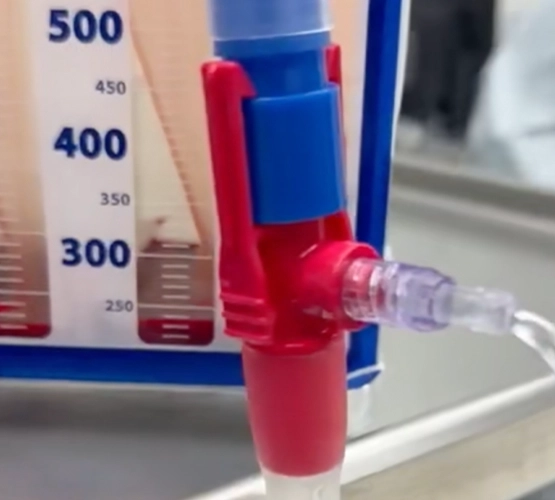
FIGURE 1 – Connection of saline to chest tube Luer lock
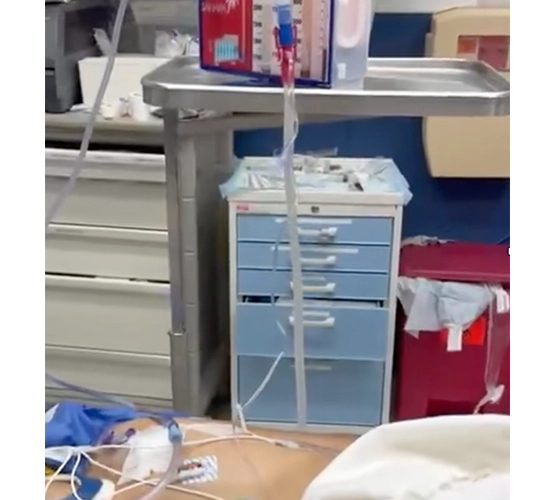
FIGURE 2 – Drainage of sterile saline into pleural cavity
Alternative method of irrigation:
- Sterile 60ml Toomey syringe (with plunger removed) attached to chest tube – tube is stabilized at chest wall and syringe is held above chest level
- Assistant incrementally pours 500 ml warm saline through syringe/tube and into the thoracic cavity
- Sterile suction tubing (with/without Yankauer) is reinserted and thoracic cavity is evacuated
- Repeat steps 3-5 with additional 500 ml warm saline
- Chest tube connected to chest tube drainage system at -20 mmHg for at least 24 hours
References:
Al Tannir AH, Biesboer EA, Golestani S, et al. Thoracic Cavity Irrigation Prevents Retained Hemothorax and Decreases Surgical Intervention in Trauma Patients. J Trauma Acute Care Surg. Published online March 25, 2024. doi:10.1097/TA.0000000000004324
Kugler NW, Carver TW, Milia D, Paul JS. Thoracic irrigation prevents retained hemothorax: A prospective propensity scored analysis. J Trauma Acute Care Surg. 2017;83(6):1136-1141. doi:10.1097/TA.0000000000001700
Kugler NW, Carver TW, Paul JS. Thoracic irrigation prevents retained hemothorax: a pilot study. J Surg Res. 2016;202(2):443-448. doi:10.1016/j.jss.2016.02.046
Ramanathan R, Wolfe LG, Duane TM. Initial suction evacuation of traumatic hemothoraces: a novel approach to decreasing chest tube duration and complications. Am Surg. 2012;78(8):883-887.
Savage SA, Cibulas GA 2nd, Ward TA, Davis CA, Croce MA, Zarzaur BL. Suction evacuation of hemothorax: A prospective study. J Trauma Acute Care Surg. 2016;81(1):58-62. doi:10.1097/TA.0000000000001099
McLauchlan N, Ali A, Beyer CA, et al. Percutaneous thoracostomy with thoracic lavage for traumatic hemothorax: a performance improvement initiative. Trauma Surg Acute Care Open. 2024;9(1):e001298. Published 2024 Feb 29. doi:10.1136/tsaco-2023-001298
Alternative method of irrigation:
- Sterile 60ml Toomey syringe (with plunger removed) attached to chest tube – tube is stabilized at chest wall and syringe is held above chest level
- Assistant incrementally pours 500 ml warm saline through syringe/tube and into the thoracic cavity
- Sterile suction tubing (with/without Yankauer) is reinserted and thoracic cavity is evacuated
- Repeat steps 3-5 with additional 500 ml warm saline
- Chest tube connected to chest tube drainage system at -20 mmHg for at least 24 hours
References:
Al Tannir AH, Biesboer EA, Golestani S, et al. Thoracic Cavity Irrigation Prevents Retained Hemothorax and Decreases Surgical Intervention in Trauma Patients. J Trauma Acute Care Surg. Published online March 25, 2024. doi:10.1097/TA.0000000000004324
Kugler NW, Carver TW, Milia D, Paul JS. Thoracic irrigation prevents retained hemothorax: A prospective propensity scored analysis. J Trauma Acute Care Surg. 2017;83(6):1136-1141. doi:10.1097/TA.0000000000001700
Kugler NW, Carver TW, Paul JS. Thoracic irrigation prevents retained hemothorax: a pilot study. J Surg Res. 2016;202(2):443-448. doi:10.1016/j.jss.2016.02.046
Ramanathan R, Wolfe LG, Duane TM. Initial suction evacuation of traumatic hemothoraces: a novel approach to decreasing chest tube duration and complications. Am Surg. 2012;78(8):883-887.
Savage SA, Cibulas GA 2nd, Ward TA, Davis CA, Croce MA, Zarzaur BL. Suction evacuation of hemothorax: A prospective study. J Trauma Acute Care Surg. 2016;81(1):58-62. doi:10.1097/TA.0000000000001099
McLauchlan N, Ali A, Beyer CA, et al. Percutaneous thoracostomy with thoracic lavage for traumatic hemothorax: a performance improvement initiative. Trauma Surg Acute Care Open. 2024;9(1):e001298. Published 2024 Feb 29. doi:10.1136/tsaco-2023-001298